
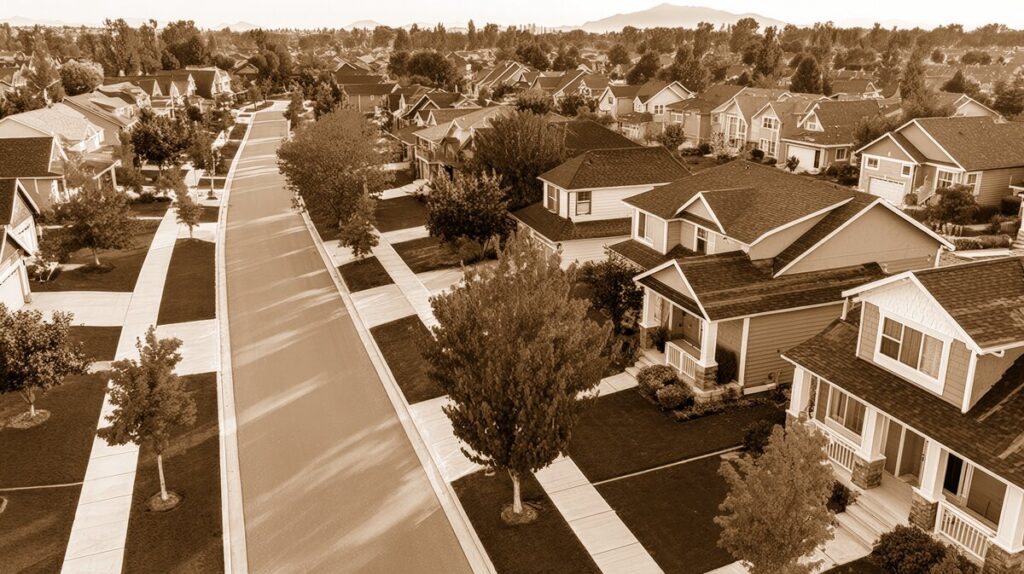
Verdoy is more than just a name on a map; it’s a living testament to Colonie’s roots and resilience. Nestled within the bustling town of Colonie, not far from the hum of Albany International Airport, Verdoy’s story reaches back generations—spanning farms, railways, and beloved landmarks. Join me as we explore the rich history and enduring spirit of Verdoy, where every street, park, and institution has its own story to tell.
From Farmlands to Hamlet: Verdoy’s Origins
Before suburban homes and four-lane roads, the land that would become Verdoy was a patchwork of fields, woods, and waterways. Situated along Route 9 (Loudon Road), north of Latham and west of the Mohawk River, Verdoy’s earliest days were defined by agriculture. Local families, many of Dutch and German descent, established small homesteads in the late 1700s and 1800s. The fertile soil drew early settlers to what was then honest-to-goodness countryside, with the nearby Shaker community adding to the area’s pastoral rhythm.
The neighborhood’s name, “Verdoy,” is believed to have French roots, loosely translated as “green” or “verdant” – a fitting tribute to the area’s lush fields and tree-lined creeks. By the mid-19th century, Verdoy had emerged as a small but distinct hamlet in what would later officially become the Town of Colonie.
Key Historical Milestones
As time marched on, Verdoy grew up alongside the greater Capital Region. Here are a few milestones that shaped its character:
- The Arrival of the Railroad: The Delaware & Hudson Railroad transformed the area’s connectivity in the 1800s, with tracks running parallel to Old Niskayuna Road and crossing through Verdoy. The Verdoy station became a central hub for mail, produce, and travelers—literally putting Verdoy on the map.
- The Verdoy School: Established in the early 1900s, the one-room Verdoy Schoolhouse on Old Niskayuna Road became a cornerstone for generations of local children. The original building, redolent with the scent of chalk and wood, still stands today and is lovingly preserved by the Town of Colonie as the Verdoy Schoolhouse Museum.
- Postwar Suburban Growth: After World War II, Colonie’s population boom swept into Verdoy. Fields gave way to new homes, and Route 9 became busier as businesses arrived. Despite changes, the neighborhood retained its small-town charm and tight-knit feel.
Notable Landmarks and Buildings
Even as new construction has come to Verdoy, the neighborhood proudly displays its history:
- Verdoy Schoolhouse Museum: Perhaps Verdoy’s most cherished landmark, this one-room schoolhouse at 480 Old Niskayuna Road dates to 1910. Listed on the National Register of Historic Places, the museum offers a window into 19th-century rural education and hosts community events every year.
- St. David’s Episcopal Church: Located at 2647 Old Niskayuna Road, this welcoming parish has been a spiritual anchor in Verdoy since the 1950s, with programs and outreach that knit residents together.
- Memory Gardens Cemetery: Though slightly outside Verdoy’s historic core, Memory Gardens along Watervliet Shaker Road has quietly served as a beautiful, peaceful resting place and a connection to generations past.
- The Shaker Heritage Trail: While the main Shaker site is south near Albany Shaker Road, Verdoy was influenced by these industrious neighbors who traded goods and shared agricultural know-how.
The Neighborhood Through the Decades
- Early 20th Century: With farms and railroad activity, Verdoy enjoyed a rural pace. Children walked to the schoolhouse, and families attended church socials and barn dances.
- Mid-Century Changes: By the 1950s and 60s, car culture and suburban expansion changed the landscape. The railroad station eventually closed, replaced by a new commercial corridor along Route 9.
- Modern Verdoy: Today, Verdoy is a blend of established homes, family-run businesses, and relics of its past. Busy roads like Loudon Road and Old Niskayuna Road trace original country lanes, and the community remains proud of its heritage.
Though convenience stores and drive-thrus now dot the area, longtime residents often gather to reminisce about “old Verdoy”—a place where everyone knew their neighbors’ names and the sound of the evening train was both a comfort and a call to adventure.
Streets, Parks, and Institutions That Make Verdoy Special
What truly makes Verdoy unique is its sense of place—grounded in geographic and historic anchors:
- Old Niskayuna Road: The spine of the neighborhood, this thoroughfare links historic sites and modern homes alike. Walking here is like stepping through layers of Verdoy history.
- Verdoy Park: Tucked quietly off Old Niskayuna Road, this local green space is a favorite for children’s play and summer picnics, carrying forward the area’s “verdant” tradition.
- Our Local Schools: While the original schoolhouse is now a museum, North Colonie School District schools such as Shaker High remain cornerstones for young families.
- Community Spirit: Every autumn, the Verdoy Schoolhouse hosts open house days, and local churches sponsor seasonal events that foster community connection.
A Lasting Legacy
Why does Verdoy continue to capture hearts? For many, it’s the persistence of memory in the midst of change. From the preserved schoolhouse to the tree-lined roads, there’s a quiet pride here—a sense that, despite growth and modernization, Verdoy’s roots remain strong.
Neighbors look out for one another. Traditions, whether it’s a church supper or a Fourth of July parade, endure. New residents are welcomed, and children still splash in the small tributary creeks that once watered the old farm fields.
As a longtime resident, I can say that Verdoy’s history isn’t just something you read in books; it’s lived out every day—at the park, in the museum, and in the smiles of those who call this historic hamlet home. So next time you find yourself driving through Colonie, take a detour onto Old Niskayuna Road. You’ll discover that in Verdoy, the past and present aren’t so very far apart.